

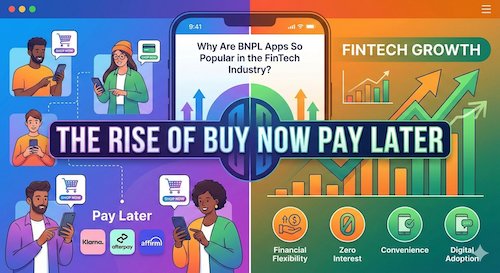
The financial technology industry has always thrived on innovation, convenience, and user-centric solutions. Among the most transformative trends in recent years is the rise of Buy Now, Pay Later (BNPL) apps. These platforms have rapidly gained traction across e-commerce, retail, travel, and even healthcare, reshaping how consumers access credit and how merchants drive sales. But what exactly makes BNPL apps so popular in the FinTech ecosystem? The answer lies in a combination of changing consumer behavior, technological advancements, and shifting economic realities.
Changing Consumer Expectations
Modern consumers expect speed, simplicity, and flexibility in every financial interaction. Traditional credit products often come with lengthy approval processes, complex terms, and hidden fees that discourage younger and digitally native users. BNPL apps, by contrast, offer instant approvals, transparent repayment schedules, and seamless checkout experiences. This frictionless approach aligns perfectly with the expectations of millennials and Gen Z, who prefer on-demand services and minimal paperwork.
Another key factor is psychological comfort. Splitting payments into smaller installments feels more manageable than paying a large amount upfront, even if the total cost remains the same. BNPL apps tap into this mindset, making purchases feel more accessible without the stigma or perceived risk associated with credit cards or loans.
Merchant Benefits and Revenue Growth
From a business perspective, BNPL apps have become powerful tools for merchants. By offering flexible payment options, retailers can reduce cart abandonment rates and increase average order values. Customers are more likely to complete purchases—and spend more—when they are not constrained by immediate budget limitations.
Merchants also benefit from faster settlements and reduced credit risk, as many BNPL providers pay merchants upfront while assuming responsibility for consumer repayments. This shift of risk, combined with improved conversion rates, makes BNPL partnerships highly attractive across industries, from fashion and electronics to travel and education.
Technology-Driven Innovation
At the core of BNPL popularity is advanced technology. Real-time data processing, API-driven integrations, and AI-powered decision-making enable instant credit assessments without relying solely on traditional credit scores. Instead of lengthy background checks, BNPL platforms analyze alternative data such as transaction history, device behavior, and spending patterns to make quick and accurate decisions.
These innovations have lowered the barrier to entry for consumers who may be underserved by traditional financial institutions. Students, freelancers, and individuals with limited credit history can access flexible payment options that were previously unavailable to them.
This is where bnpl app development plays a critical role. Behind every seamless user experience is a complex system of secure infrastructure, smart algorithms, and scalable architecture designed to handle high transaction volumes while maintaining performance and reliability.
Regulatory Adaptation and Market Maturity
Initially, BNPL apps operated in a relatively lightly regulated environment, which allowed rapid experimentation and growth. As the market matures, regulators across the globe are introducing frameworks to ensure transparency, consumer protection, and responsible lending. While regulation adds complexity, it also legitimizes BNPL as a mainstream financial product.
Consumers gain greater confidence knowing that these platforms are subject to oversight, while established FinTech players can differentiate themselves through compliance and ethical practices. This balance between innovation and regulation has helped BNPL evolve from a trend into a sustainable business model.
Economic Factors and Financial Inclusion
Economic uncertainty has also contributed to the rise of BNPL apps. Inflation, rising living costs, and stagnant wages have pushed consumers to seek more flexible ways to manage cash flow. BNPL solutions allow users to spread expenses over time without immediately dipping into savings or relying on high-interest credit.
At the same time, BNPL apps promote financial inclusion by providing access to short-term credit for individuals who may not qualify for traditional loans. When designed responsibly, these platforms can serve as entry points into the formal financial system, helping users build healthier financial habits.
Competitive Advantage for FinTech Companies
For FinTech companies, BNPL apps offer a compelling opportunity to stand out in a crowded market. They create ecosystems that connect consumers, merchants, and financial partners, generating multiple revenue streams through merchant fees, value-added services, and data-driven insights.
Many FinTech firms collaborate with a specialized bnpl app development company to accelerate time-to-market and ensure robust security, compliance, and scalability. This approach allows them to focus on innovation and customer acquisition while leveraging technical expertise to build reliable platforms.
User Experience as a Growth Driver
One of the most underestimated reasons for BNPL popularity is user experience design. Clean interfaces, clear repayment timelines, instant notifications, and simple onboarding processes build trust and encourage repeat usage. BNPL apps are often embedded directly into checkout flows, eliminating the need for separate applications or approvals.
The success of these platforms demonstrates how thoughtful eWallet app development solutions can transform complex financial products into intuitive digital experiences that users actually enjoy.
The Future of BNPL in FinTech
Looking ahead, BNPL apps are expected to evolve beyond retail purchases. Use cases are expanding into subscriptions, B2B payments, travel bookings, and even rent and utility payments. Integration with digital wallets, open banking APIs, and personalized financial tools will further strengthen their position within the FinTech landscape.
As competition increases, the most successful BNPL platforms will be those that prioritize responsible lending, transparent communication, and long-term customer value over short-term growth.
Conclusion
BNPL apps are popular in the FinTech industry because they sit at the intersection of convenience, technology, and changing consumer needs. They simplify payments for users, boost revenue for merchants, and unlock new business models for FinTech companies. Supported by advanced technology, thoughtful regulation, and strong user-centric design, BNPL apps have moved from being a trend to becoming a fundamental component of modern digital finance. Their continued evolution will likely play a significant role in shaping the future of payments and credit worldwide.
 :
https://www.pinterest.com/DevTechno_Dubai/
:
https://www.pinterest.com/DevTechno_Dubai/