

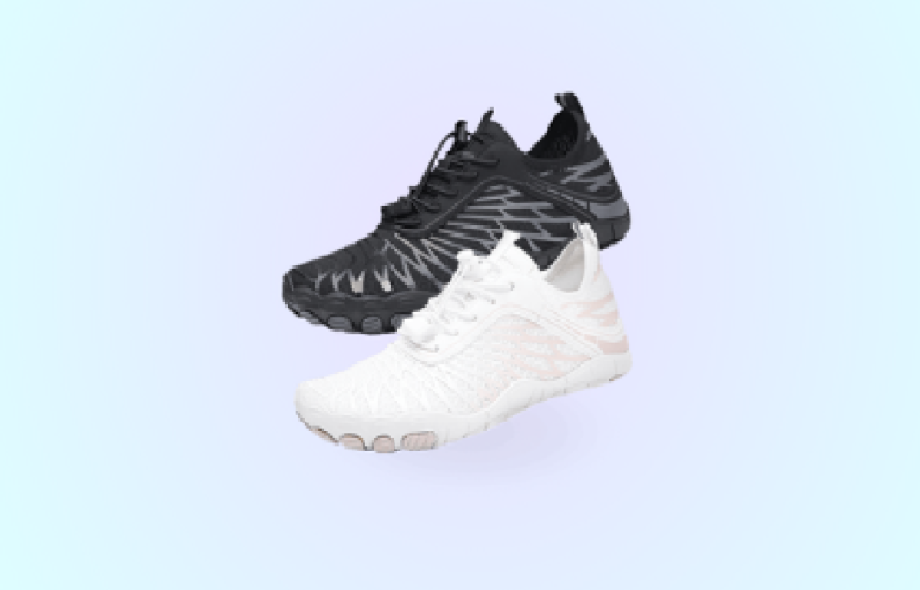
JayShoes Barefoot Shoes: Your Ultimate Guide to Choosing the Best Barefoot Footwear in 2025
Discover the freedom of natural movement with our comprehensive guide to barefoot shoes. Whether you’re a seasoned minimalist runner or just beginning to explore barefoot footwear, this expertly curated resource will help you navigate the world of barefoot shoes with confidence.
➤➤ Availability & Price – Visit Official Website
Despite the budget-friendly pricing, Barestep doesn’t compromise on the fundamental barefoot principles. Each model features the essential wide toe box that allows natural toe splay, a true zero-drop sole for proper alignment, and flexible materials that move with your foot rather than restricting it. This commitment to core barefoot design at an accessible price point has made Barestep particularly popular amongst first-time barefoot shoe buyers.
Price Range
Accessible barefoot footwear for everyone
Drop
True zero-drop design
User testimonials consistently highlight the immediate comfort Barestep shoes provide, with many reporting significant relief from chronic foot pain within days of switching from conventional footwear. The lightweight construction dramatically reduces fatigue during extended periods of walking or standing, making these shoes particularly appealing for retail workers, teachers, and others who spend long hours on their feet.
The natural movement these shoes facilitate has helped countless individuals rediscover the joy of walking, with many users noting improved posture and reduced lower back pain as unexpected benefits. For those transitioning from heavily cushioned trainers, the Barestep provides a gentle introduction to barefoot principles without overwhelming the feet.
Important Considerations
The thin soles that provide excellent ground feel offer limited protection on rough terrain or sharp objects. Some users report durability concerns with extended heavy use, and customer service experiences have been mixed, with occasional delivery delays noted in reviews. These trade-offs are worth considering against the exceptional value proposition.
➤➤ Availability & Price – Visit Official Website
The Evolve’s ergonomic, minimalist design focuses intently on strengthening foot muscles and improving posture through consistent daily wear. Rather than positioning themselves as specialist athletic footwear, Grounded Footwear has created shoes that seamlessly integrate barefoot principles into modern lifestyle demands. The attention to detail in materials selection and construction is immediately apparent, with premium leathers, durable yet flexible synthetics, and meticulous stitching throughout.
Premium Construction
Exceptional materials and meticulous craftsmanship create a durable, long-lasting shoe that justifies the investment through years of reliable wear.
Lightweight Comfort
Despite the robust build quality, Evolve shoes remain remarkably lightweight, reducing fatigue whilst maintaining protection and structure.
Foot Strengthening
The thin, flexible sole activates intrinsic foot muscles with every step, gradually building strength and improving natural foot function over time.
What Users Love
• Sophisticated design suitable for professional environments
• Exceptional build quality that outlasts cheaper alternatives
• Noticeable improvements in foot strength and posture
• Versatile enough for various activities and settings
• Premium materials that age gracefully
Potential Challenges
• Sizing can be tricky; many recommend ordering a size up
• Break-in period may be longer than softer alternatives
• Premium pricing may deter budget-conscious buyers
• Limited colour options in some models
• May feel too minimal for those new to barefoot shoes
Reviews paint a mixed but ultimately positive picture. Whilst some users struggle with the initial sizing and break-in period, those who persist consistently report exceptional comfort and durability once the shoes conform to their feet. The Evolve line is positioned as a premium barefoot alternative for those willing to invest in quality, and for many, it delivers on that promise magnificently.
➤➤ Availability & Price – Visit Official Website
Durability Importance
Percentage of users who prioritise longevity in barefoot shoes
Waterproofing Value
Users in wet climates who consider waterproofing essential
Protection vs Minimalism
Users willing to accept modest compromises for practical protection
The durability versus minimalism balance depends on your specific needs and use cases. Ultra-minimalist shoes provide the purest barefoot experience but may require more frequent replacement. Slightly more robust construction extends lifespan whilst marginally reducing ground feel. Most users find that moderate protection offers the best compromise, delivering excellent barefoot benefits whilst lasting long enough to justify the investment.
Fit and Sizing Challenges
Sizing barefoot shoes presents unique challenges that catch many first-time buyers off guard. The wide toe boxes, zero drop, and minimal structure create fit dynamics that differ significantly from conventional footwear. Understanding these differences and knowing how to navigate sizing variations between brands will save you frustration and costly returns.
One of the most common issues is the lack of half sizes in many barefoot brands, particularly smaller or European manufacturers. This forces buyers to choose between potentially too-small or slightly too-large shoes. The general recommendation is to size up when in doubt – shoes that are too small will cramp toes and negate barefoot benefits, whilst slightly larger shoes can be managed with lacing adjustments or thicker socks.
Barefoot shoes should fit differently than conventional shoes. You need more space in the toe box than you’re probably accustomed to, as your toes must be able to spread fully. Many people initially think properly sized barefoot shoes feel “too big” because they’re used to snug-fitting conventional footwear that compresses the forefoot. This perception shifts as you experience the freedom and comfort of unrestricted toe movement.
Sizing Attempts
Average orders before finding perfect fit
Size Up
Buyers who need larger than conventional shoe size
Measure Your Feet Properly
Stand on paper and trace your foot outline while bearing weight. Measure the longest toe to heel and widest point across the forefoot. Do this for both feet (they’re often different sizes) and measure in the evening when feet are slightly swollen.
Check Brand Sizing Charts
Every barefoot brand has unique sizing. Compare your measurements to each brand’s specific sizing chart, not standard UK/US sizes. Pay particular attention to width measurements, not just length.
Read Customer Reviews
Look for sizing feedback in reviews. Users often note whether shoes run large, small, or true to size. Comments about width are particularly valuable since toe box dimensions vary considerably between models.
Account for Sock Thickness
➤➤ Availability & Price – Visit Official Website
Try shoes both barefoot and with your typical socks. Some prefer barefoot shoes without socks, others always wear them. Ensure your chosen size accommodates your preferred wearing style comfortably.
Break-in periods vary widely between barefoot shoe models and materials. Soft, flexible uppers often feel comfortable immediately, whilst leather or stiffer synthetic materials may require several weeks of wear to conform to your feet properly. This is normal and expected – quality materials that mould to your unique foot shape often provide superior long-term comfort despite initial stiffness.
Don’t be discouraged if your first barefoot shoe purchase requires an exchange or if you need to try multiple brands to find your ideal fit. The sizing learning curve is steep, but once you identify brands that match your foot shape and understand how to evaluate fit, subsequent purchases become much easier.
Chapter 4: Real User Experiences and Common Concerns
Moving beyond technical specifications and brand reviews, real-world experiences from actual barefoot shoe users provide invaluable insights into what you can genuinely expect when making the transition. These experiences illuminate both the remarkable benefits and potential challenges you might encounter on your barefoot journey.
The barefoot shoe community is remarkably passionate and generous with sharing their experiences. From beginners taking their first tentative steps in wide toe box shoes to experienced minimalists who’ve been barefoot for years, the collective wisdom offers practical guidance that goes far beyond marketing claims and theoretical benefits.
“After two months in barefoot shoes, my chronic lower back pain has virtually disappeared. I never connected my footwear to back problems until I tried zero drop.”
— Sarah M., Office Worker
“The first week was rough – my calves were incredibly sore. But I persisted with gradual wear, and now I can’t imagine going back to conventional shoes.”
— James T., Runner
“I was sceptical about barefoot shoes helping my bunions, but after six months, the improvement is undeniable. My toes are straightening naturally.”
— Patricia L., Retired Teacher
These testimonials capture the essence of the barefoot experience: initial challenges followed by significant, often unexpected benefits. The following sections delve deeper into the transition process and address special considerations for those with existing foot conditions, providing realistic expectations and practical strategies for success.
Transitioning to Barefoot Shoes: What to Expect
The transition to barefoot shoes represents a significant change for feet accustomed to conventional footwear’s support and cushioning. Approaching this transition thoughtfully and gradually makes the difference between success and frustration, potentially preventing injuries whilst maximising the long-term benefits barefoot shoes offer.
Initial Phase: Weeks 1-4
Begin by wearing barefoot shoes for just 1-2 hours daily, gradually increasing wear time. Your feet, calves, and Achilles tendons will likely feel sore as they adapt to new movement patterns and begin strengthening previously underutilised muscles. This is completely normal and expected.
Alternate between barefoot and conventional shoes during this period. Don’t rush – your body needs time to adapt gradually. Walking is ideal for initial transition; save running for later phases. Focus on shorter distances and level surfaces whilst your feet adjust.
Development Phase: Months 2-3
As discomfort subsides and strength builds, progressively increase barefoot shoe wearing time. Many people transition to full-time barefoot shoe wear during this phase. Introduce varied terrain and longer distances cautiously, listening to your body’s feedback.
You’ll likely notice improvements in balance, proprioception, and natural gait patterns. Foot muscles become visibly more defined, and many users report improvements in posture and reductions in joint pain throughout the body.
Week 1-2
1-2 hours daily wear, walking only, expect calf soreness and altered gait
Week 3-6
3-4 hours daily, introduce gentle hills, muscles adapting and strengthening
Month 2-3
All-day wear possible, varied terrain, noticeable strength and posture gains
Month 4+
Full adaptation achieved, barefoot shoes feel natural, significant health improvements
Common Early Experiences
• Calf muscle soreness and tightness
• Achilles tendon awareness or mild discomfort
• Altered walking gait feeling awkward initially
• Foot muscle fatigue after short wearing periods
• Heightened awareness of ground surfaces
• Improved balance and proprioception even early on
Long-Term Benefits Reported
• Elimination or reduction of chronic foot pain
• Improved posture and spinal alignment
• Stronger, more defined foot muscles
• Better balance and coordination
• Reduced lower back, knee, and hip pain
• Natural correction of bunions and toe deformities
• Enhanced athletic performance in some activities
Warning Signs to Heed
➤➤ Availability & Price – Visit Official Website
Sharp pain (as opposed to muscle soreness) indicates you’re progressing too quickly. Persistent pain that doesn’t improve with rest requires professional evaluation. Swelling, bruising, or inability to bear weight are serious warning signs. Don’t push through significant discomfort – your transition timeline should be guided by your body’s response, not arbitrary schedules.
Remember that transition timelines vary enormously between individuals. Factors including age, previous activity level, existing foot conditions, conventional shoe history, and body weight all influence adaptation speed. Be patient with yourself, celebrate small victories, and trust that gradual, consistent progress leads to lasting results.
Addressing Foot Conditions and Special Needs
Whilst barefoot shoes offer remarkable benefits for many, certain foot conditions require careful consideration and professional guidance. The transition to barefoot footwear can either help or hinder various conditions depending on how it’s approached, making informed decision-making absolutely critical for those with pre-existing issues.
Plantar Fasciitis
➤➤ Availability & Price – Visit Official Website
JayShoes Barefoot Shoes
https://www.healthtruenews.com/get_jayshoes-barefoot-shoes
https://contra.com/jay_shoes_barefoot_shoe_irzk1u8k/posts
https://www.linkedin.com/in/jayshoes-barefoot-shoes-1b2442394/
https://contra.com/jay_shoes_barefoot_shoe_irzk1u8k
https://contra.com/jay_shoes_barefoot_shoe_irzk1u8k/work
https://contra.com/jay_shoes_barefoot_shoe_irzk1u8k/work
https://contra.com/jay_shoes_barefoot_shoe_irzk1u8k/work
https://www.crunchbase.com/organization/jayshoes-barefoot-shoes
 :
https://fr.pinterest.com/drherrymorking/
:
https://fr.pinterest.com/drherrymorking/